Category Archives: Health & Fitness

Dirty Bloom 50mi Mountain Bike

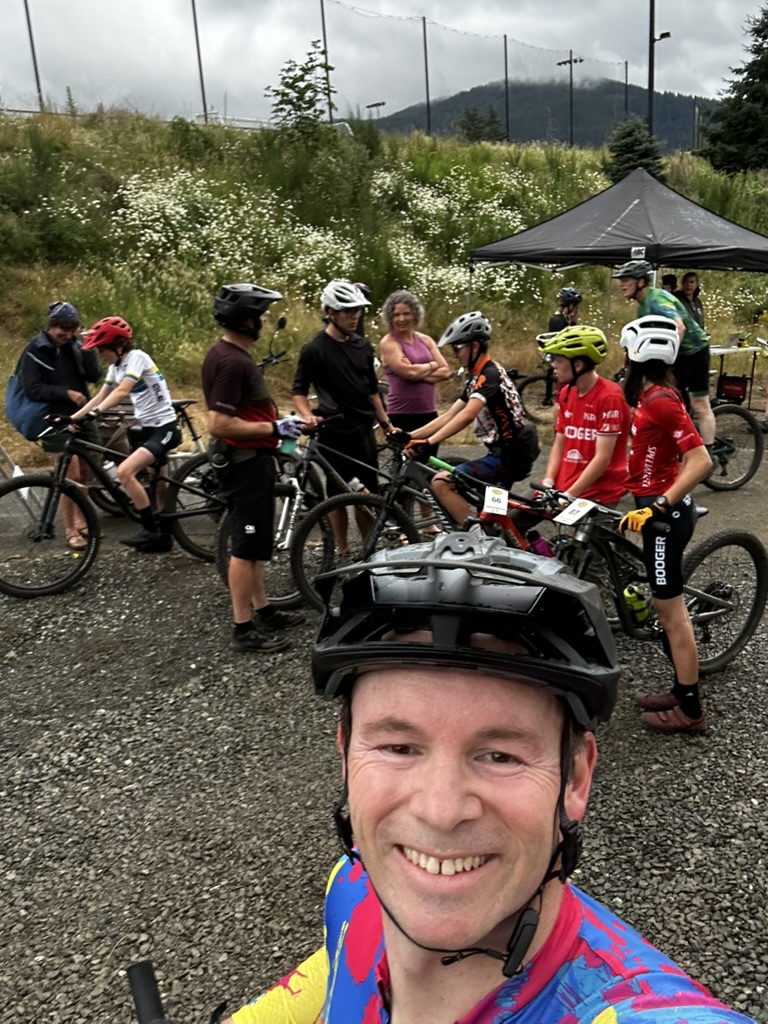
Since I bought my Scott Spark RC mountain bike last year, I’ve been eager to attend my first mountain bike event. Last week while on Instagram, serendipitously I was served an ad for Dirty Bloom 50mi. The ad said it was their inaugural event, as such it had very limited spots and there were only a handful left. There is no time like the present, so on a whim I signed up four days before the event.

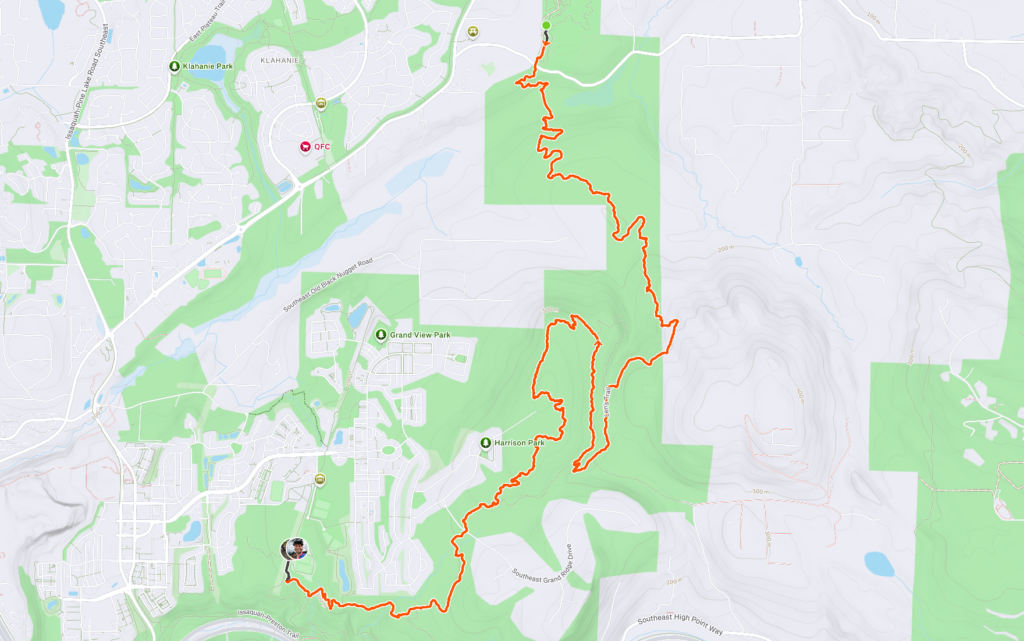
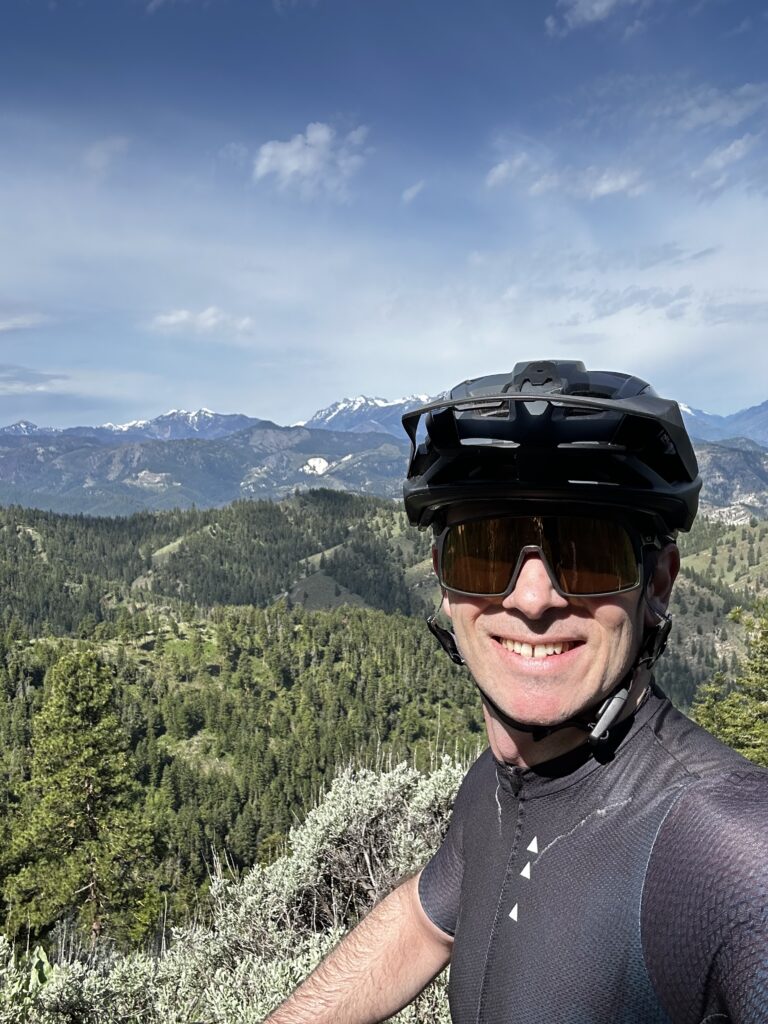
Dirty Bloom is held in Wenatchee in Eastern Washington, it is about a two and a half hour drive from Sammamish across I-90. It’s just close enough that I could drive there in the morning versus needing to go the day before and stay in a hotel – so the alarm clock was set for 4am. I arrived into Wentatchee at about 7:15, went to the nearest McDonald’s to grab a coffee, bacon & egg muffin and change into my cycling gear.

The course for Dirty Bloom is 50mi/80km in length with 8000’/2666m of elevation. For those that aren’t familiar, any ride (regardless of distance) with over 2000m of elevation is going to be a tough day. I was lucky enough to get a ticket for RAMROD (Ride Around Mt Rainier in A Day) last year, it was 160mi/255km with 10000’/3333m of elevation and it was a huge effort.

As it turns out, the climbing was front loaded on the course and was absolutely savage. At the 5km mark the climbing started with gradients regularly going into 12-15%. In sections, they were so steep, I couldn’t ride them even in the lowest gear and had to push my bike.

Without question, this uphill section was the hardest effort I’ve ever done on a bike and lasted three (3) hours and 15 minutes. For some perspective, my max heart rate is 183bpm. When I do a one hour max effort and bury myself, I can sustain a heart rate of 168-172bpm and produce 300w. I averaged 162bpm over this section, absolutely brutal!

When I made it to the second aid station, the elite riders had completed an additional loop and were passing back through that aid station a second time before making their way back toward the finish line. A whole bunch of them commented how tough the course was.

I’d been riding for about 4 hours at this stage, guessed I had at least two hours of riding to the finish line, followed by a 2.5hr drive home. While I knew I could have completed the extra loop of about 20mi, I decided to drop it and begin the ride to the finish line.

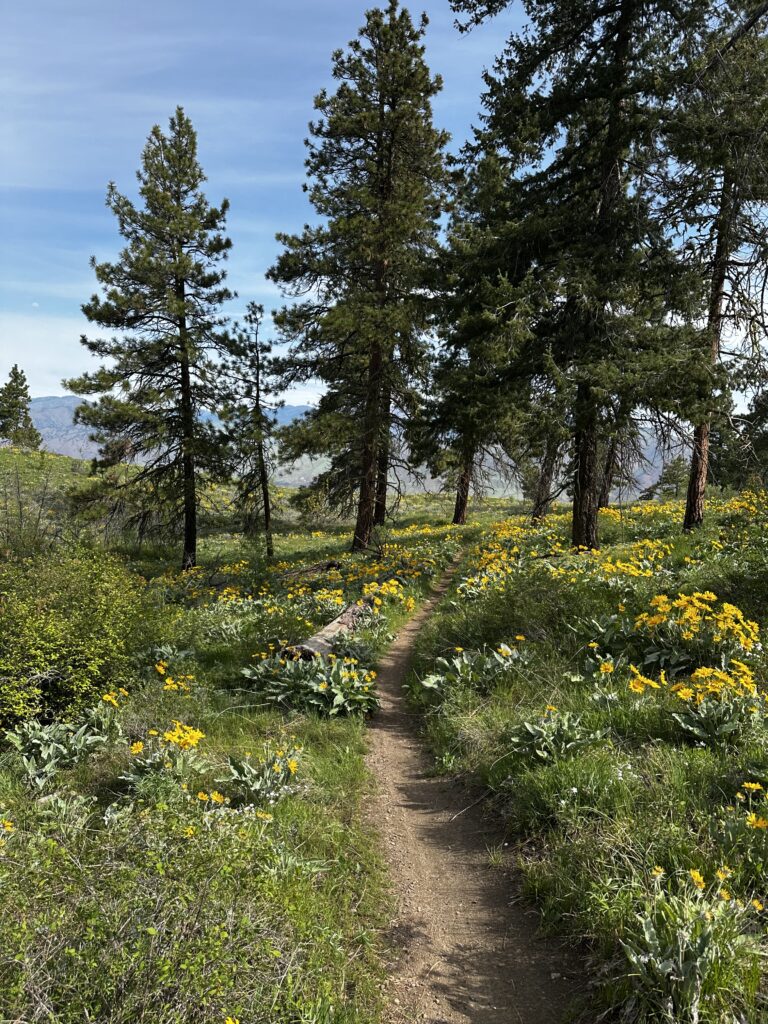
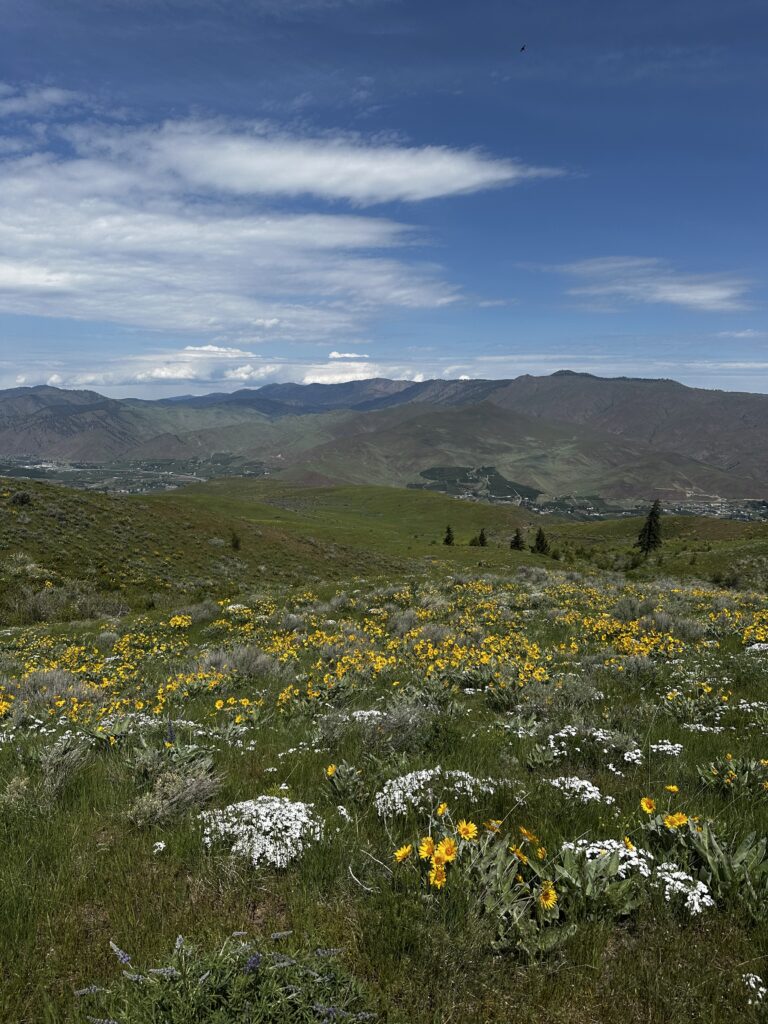
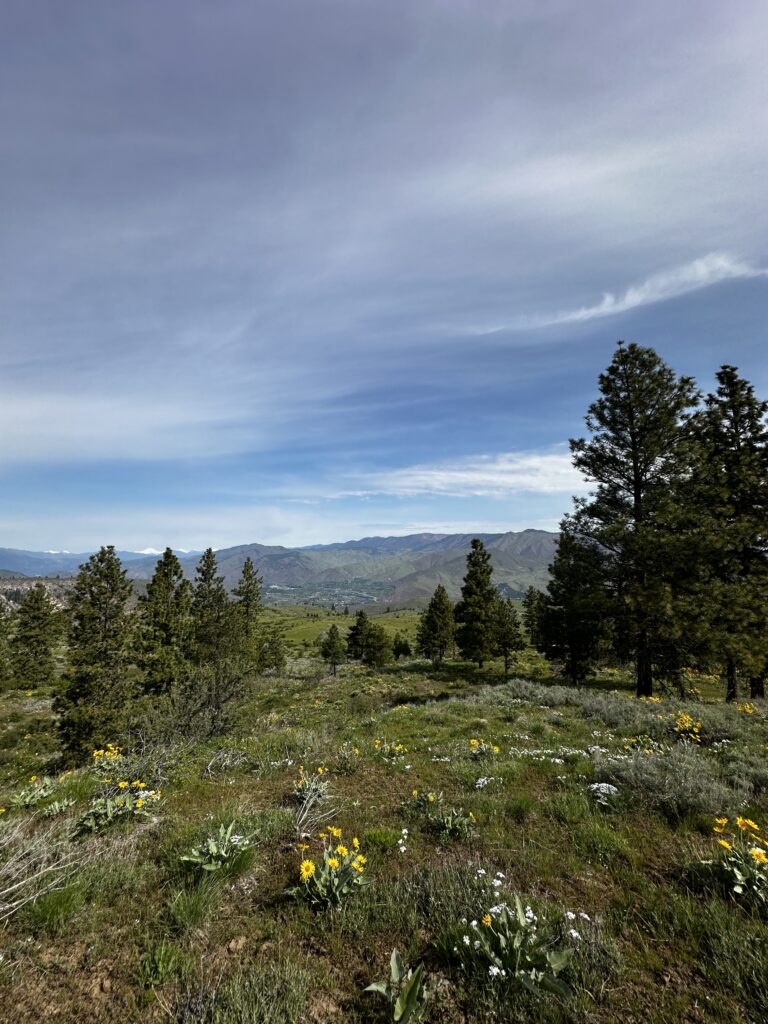
I’ve heard people speak of ‘single track’ a thousand times, but having never ridden a mountain bike event or a trail network as massive as this before – I didn’t fully understand the wonder and magic of it. With the exception of another 2.5km climb, the next 23km were downhill – blasting through meadows covered in wildflowers, fast, flowy, up, down, left, right – it was like a rollercoaster!

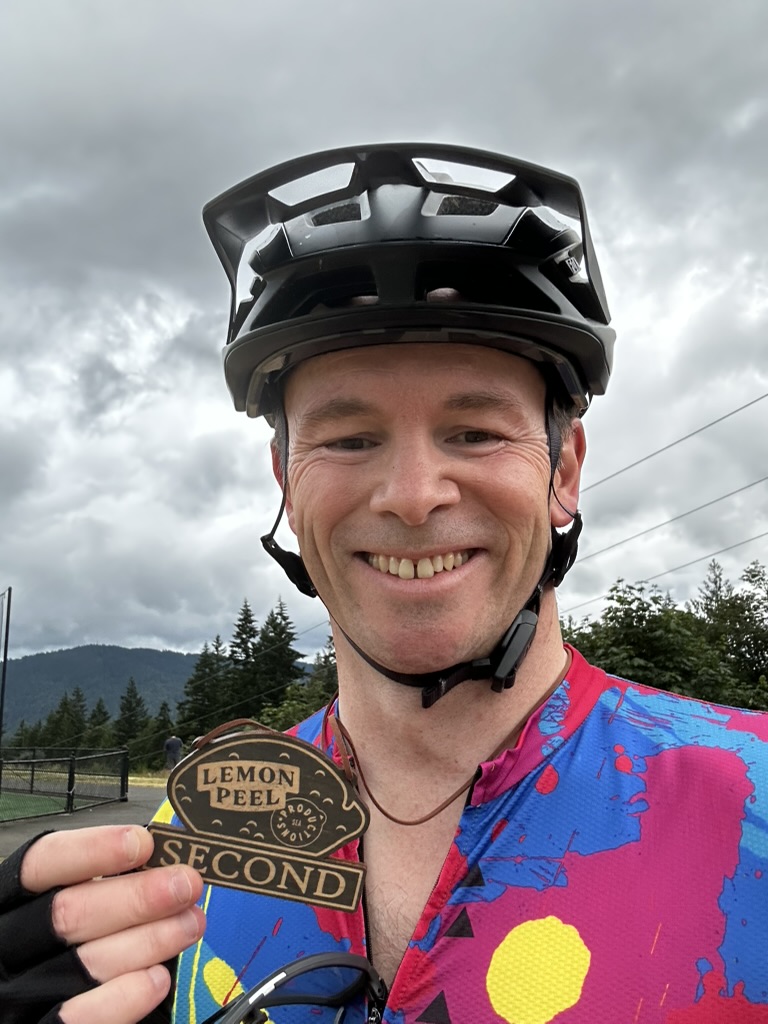
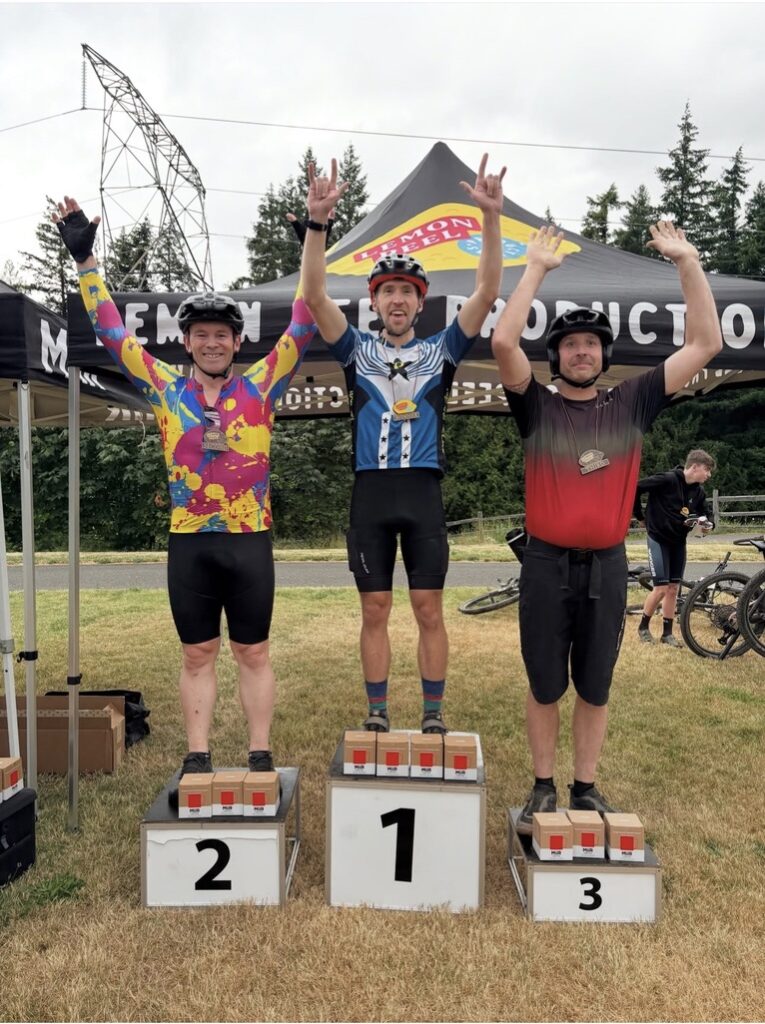
I crossed the finish line in 6 hours, an average HR of 155bpm & just under 50km under my belt.

Can’t wait to do my next mountain bike event!

30 Day Challenge: Reducing Sugar Intake Results

At the end of March I started a challenge to reduce my daily sugar intake. I wasn’t setting out to remove sugar entirely from my diet, but to reduce the cakes, lollies, ice-cream and hot chocolates.

When I quit drinking coffee, I didn’t get withdrawal symptoms but missed the habit of having a coffee. When I started reducing my sugar intake, I missed the habit again but I really missed the sugary treats. Thankfully, that initial wave of withdrawal symptoms subsided after a week, not gone but that voice had been quietened substantially.

Across April, I was successful in eating a lot less sweet sugary items. I didn’t have any hot chocolates (they were a recent addition to replace a cafe mocha when I quit coffee) and I have mostly removed the cakes, lollies and ice-cream where I might have had them three or four times over the month.

I started the challenge at 97kg, I finished the month at 95kg.

I’m going to continue with my reduced sugar intake and maybe look to refine some other areas such as having a ‘normal’ sized bowl of cereal and replacing a glass of orange juice with a glass of water in the morning.

30 Day Challenge: Reducing Sugar Intake

I wrote recently about sustainable weight loss, I commented that through removing some really poor diet choices like Coke and moving every day that it had helped me lose 15kg and go from 108kg down to a low of 93kg.

I try to exercise most days of the week by going for a run or ride for 45-60min and on the weekend I’ll do something longer that is normally 2 hours plus. I’m pretty consistent with it, Strava tells me that I averaged 25-35 hours of aerobic exercise per month last year. To lose additional weight, the answer can’t be to add more exercise – I need to adjust my diet.

The recommended intake for an average adult is 2000cal/8000Kj per day.

As I mentioned in the post linked above, my diet is far from ideal and I could definitely clean it up by removing/reducing additional unneeded sugary foods:

  • Hot Chocolate – While I’m not drinking coffee at work, I am drinking hot chocolate. I did some quick searches in Google and they contain ~200-250cal. Most days I have one, some days I’ll have two.
  • Ice Cream – Most nights after dinner I’ll have a small bowl of ice cream. I weighed it last week and while it isn’t a lot by volume/weight, it is rich and comes in at 150-175cal. The timing on this is also not great, your metabolism slows down in the afternoon, so taking in unnecessary food at night isn’t ideal.
  • Cake – I discovered something called a Pound Cake, it is a vanilla sponge type cake. When I’m working from home, I’ll usually have a piece of that at morning tea.
  • Lollies / Chocolate – I often have a variety of different lollies or chocolate in the house. Not an every day item, but it is frequent and could be reduced.

My goal is to reduce or remove items like those above from my diet over the next month. I’ll make a point of weighing myself at least once a week to see if it is having an impact or not. As of this morning, I am 97kg and ultimately I want to be under 90kg. I don’t expect to lose 7kg in a month, but I’d be happy if these small changes re-starts my weight loss trend as I look to find a new sustainable normal.

Stay tuned.

30 Day Challenge: No Coffee Results

A month ago I decided I was going to stop drinking coffee for 30 days and said:

I’m going to stop drinking coffee, which will give me a new baseline for what ‘tired’ feels like. I’ll start going to bed earlier to help my body recover better and maybe my blood pressure will come down. Even if the latter doesn’t happen, getting more sleep is a good thing and maybe I’ll feel more alert, clearer in mind, better able to tackle the day.

I’m happy to report that going without coffee or caffeine was remarkably easy and I didn’t notice any significant withdrawal symptoms despite the high levels of coffee I drink. While I didn’t miss the caffeine especially, I absolutely missed the ritual and habit of having a coffee. Throughout the day, there are so many points where I always have a coffee and suddenly not having one felt weird.

Another good habit of not drinking coffee, I’m naturally drinking a lot more water. While I do drink water across an average day, I’d generally get most of my liquid intake through coffee so this was a heathy improvement.

I had hoped that I could find some objective measure that quitting coffee had an impact. Coincidentally, I have a Garmin Fenix 6 running watch and it measures a lot of different aspects of your health on an ongoing basis.

Heart Rate Variability

According to Garmin, a HRV between 60-80ms is a normal range. While I have periods where it is in the normal/green zone, I am often orange (slightly below) or even red (significantly below). As soon as I stopped drinking coffee, my Heart Rate Variability started to improve and has remained consistently in the normal range.

Sleep

One of the goals of this challenge was to go to bed earlier and get more overall sleep. My total sleep time has increased slightly, but I haven’t been very successful on this goal yet.

However, while I’m not getting a lot more sleep, my sleep quality has improved significantly. In the lefthand side of the chart below, my sleep quality is lower overall and also quite variable. After quitting coffee, it has improved on average and varies a lot less.

While drinking coffee, I could get to sleep easily but I’d often wake up throughout the night – sometimes one or twice and on a restless night maybe up to five times. Over the last month, on average I’m not waking up at all and my Garmin watch is measuring single digits of ‘awake’ time. Caffeine is a diuretic, which causes you to need to urinate more often and during the night I am not getting up for any bathroom breaks either which is great.

Stress

Stress can be caused by a lot of different factors such as physical, emotional and many more. I don’t think caffeine on its own is responsible but it might contribute to it since it is a stimulant. Regardless, my stress levels have trended down and are more stable than beforehand. This might in part be due to getting better quality sleep and being more rested/recovered each day.

Blood Pressure

I haven’t taken my blood pressure many times over the last month, but it has been in the correct range which is good. If I can adjust my schedule and increase my total sleep time, I’ll definitely start checking it more often to see if there is any change or if I feel the low blood pressure by getting dizzy or light headed with certain activities.

I’m going to continue with my no coffee effort & report back if anything changes once I adjust my sleep schedule.

30 Day Challenge: No Coffee

I’m going cold turkey on coffee for 30 days to see what happens!

Over the years, I’ve been a regular and high volume consumer of coffee. On an average day, I think I’d probably have 6-8 cups which is a mix of espresso and instant coffee. Despite the daily coffee intake, I can drink a coffee at 11pm and still get to sleep in just a couple minutes.

So, why stop drinking coffee? Three words – sleep, cortisol, blood pressure.

I don’t get a lot of sleep each night, I’ve always been a night owl. However, while I don’t get much sleep per night, I also don’t need much sleep either. Looking at my Garmin watch data, on average I get between five and six hours of sleep a night. That of course is at least two hours less than what is recommended and what most people require to function properly.

Cortisol is a hormone that your body produces when it is under any type of stress. It is produced by the adrenal system. Cortisol helps control the body’s use of fats, proteins and carbohydrates; suppresses inflammation; regulates blood pressure; increases blood sugar; can also decrease bone formation; and the cortisol hormone also controls the sleep/wake cycle.

As mentioned recently, I’ve been living with high blood pressure since 2015 when I was 35 years old. I never had high blood pressure before then, I don’t know what or why something in my body changed but it did.

It got me thinking though, maybe as I got a little older, my body’s needs changed and my night owl behaviour, general low amounts of sleep were no longer sufficient to allow my body to recover. Maybe I’ve been using coffee as a crutch for a long time to prop me up and keep me going. Maybe I can fall asleep after drinking coffee late at night, not only because I have developed intolerance to its effects but because my body is generally exhausted.

I always find it helpful to look for an extreme or outlier of some sort when doing research. I think a good example for this might be a professional athlete. Professional athletes have an incredible work load, they are up early in the morning, train multiple times per day, pay a lot of attention to post-workout recovery activities, they place a lot of emphasis on food to nourish their body to help it recover and they prioritize sleep aggressively. Why do they prioritize sleep so much, well it is when your body gets to work repairing itself, undoing all of the stress induced over the day.

My 30 day challenge is simple in nature – I’m going to stop drinking coffee, which will give me a new baseline for what ‘tired’ feels like. I’ll start going to bed earlier to help my body recover better and maybe my blood pressure will come down. Even if the latter doesn’t happen, getting more sleep is a good thing and maybe I’ll feel more alert, clearer in mind, better able to tackle the day.

Stay tuned.