Specialized Diverge Upgrades

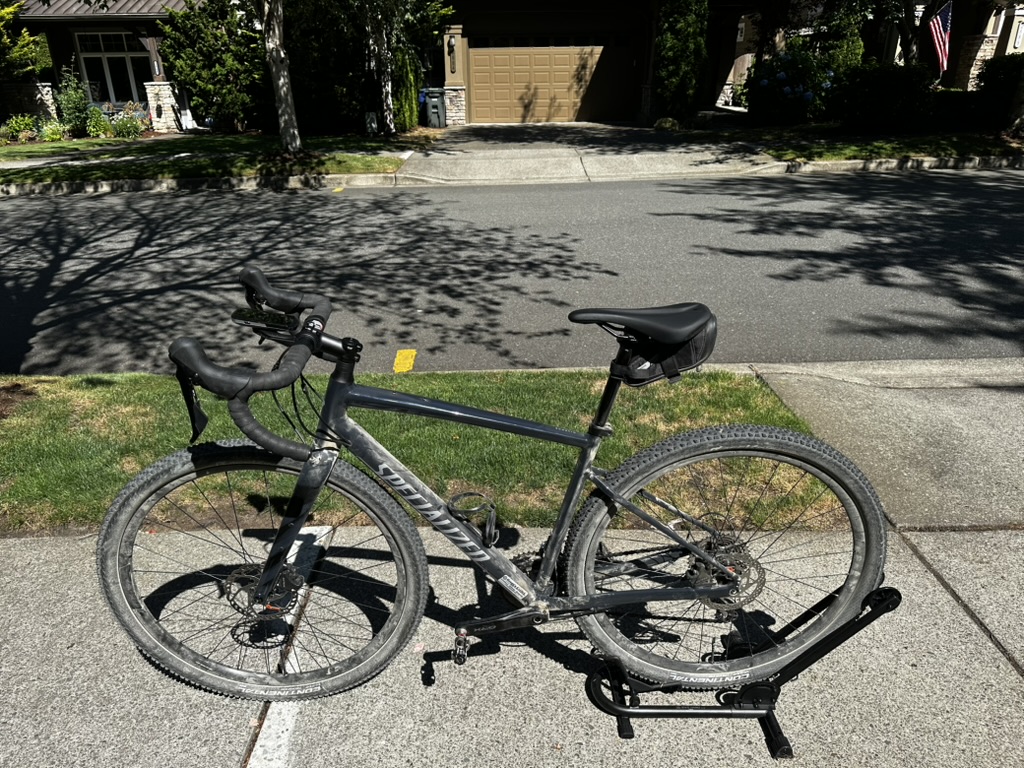
Since the middle of July when I completed my first gravel ride, I’ve now knocked out over 350km on the Specialized Diverge. As part of that undertaking, I’ve started making some upgrades to customise it.

Removing items

  • LED light
    Not needed, I’ll add it back on if I’m planning riding in the evening/night
  • Bell
    Not needed as my Garmin 1050 bike computer has a bell
  • Dork disc
    Not needed, I’ve never dropped a chain into the rear spokes & they rattle on gravel

Adding items

  • Bottle cages
    Two bottle cages for hydration
  • Saddle bag
    Tire plugs to help tubeless sealant if it struggles, tire levers & a spare tube (just in case)

Replacing items

New tires

Specialized Diverge Elite E5 come with an entry level Specialized Pathfinder Sport mixed use gravel tire. They have a solid smooth middle track like a road bike tire with light tread on the shoulders and were 38mm wide.

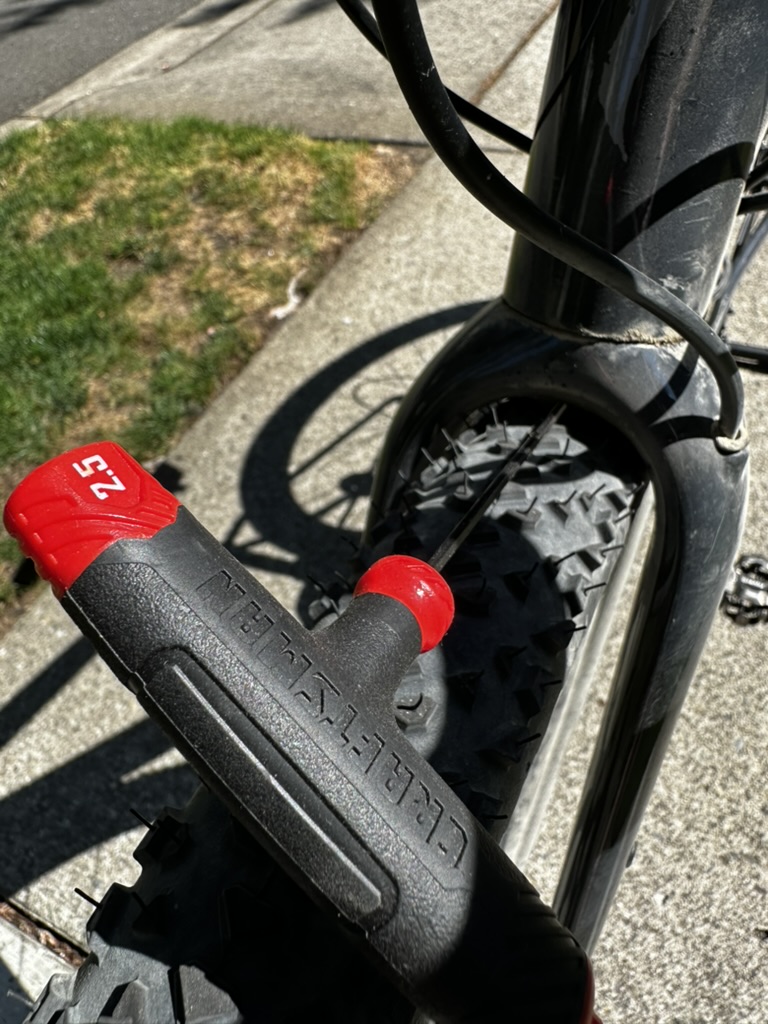
I’ve replaced them with a set of Continental Race King 50mm, which are a high performance race mountain bike that rolls fast, has excellent puncture protection & superior grip as it has a more aggressive tread pattern.

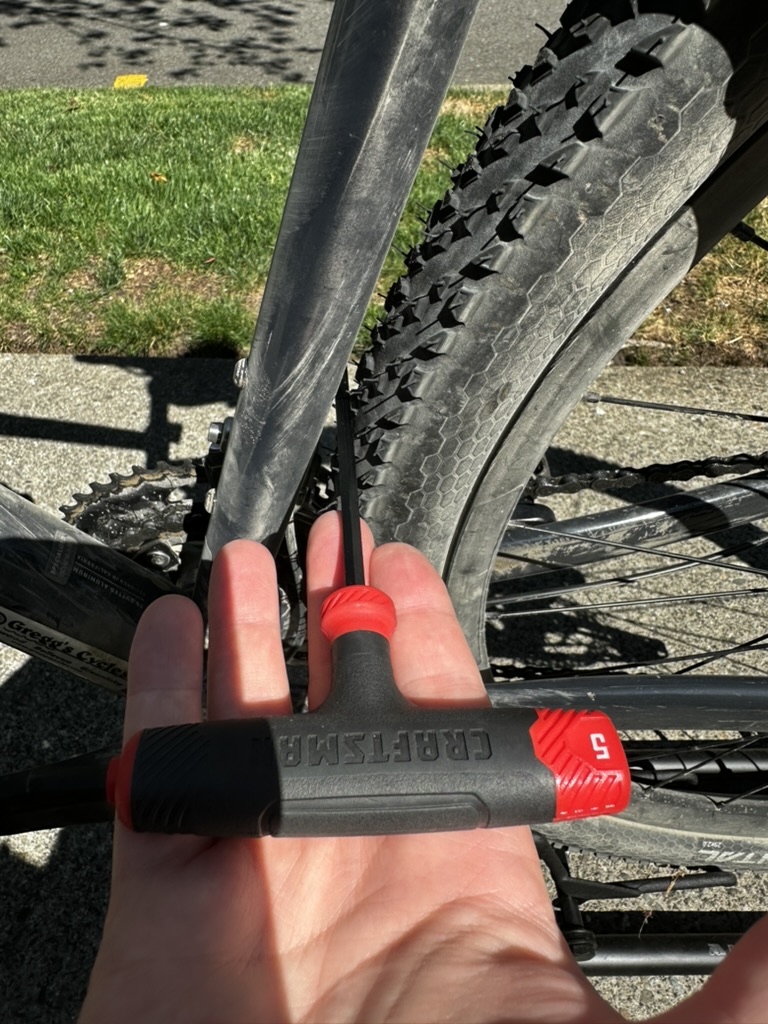
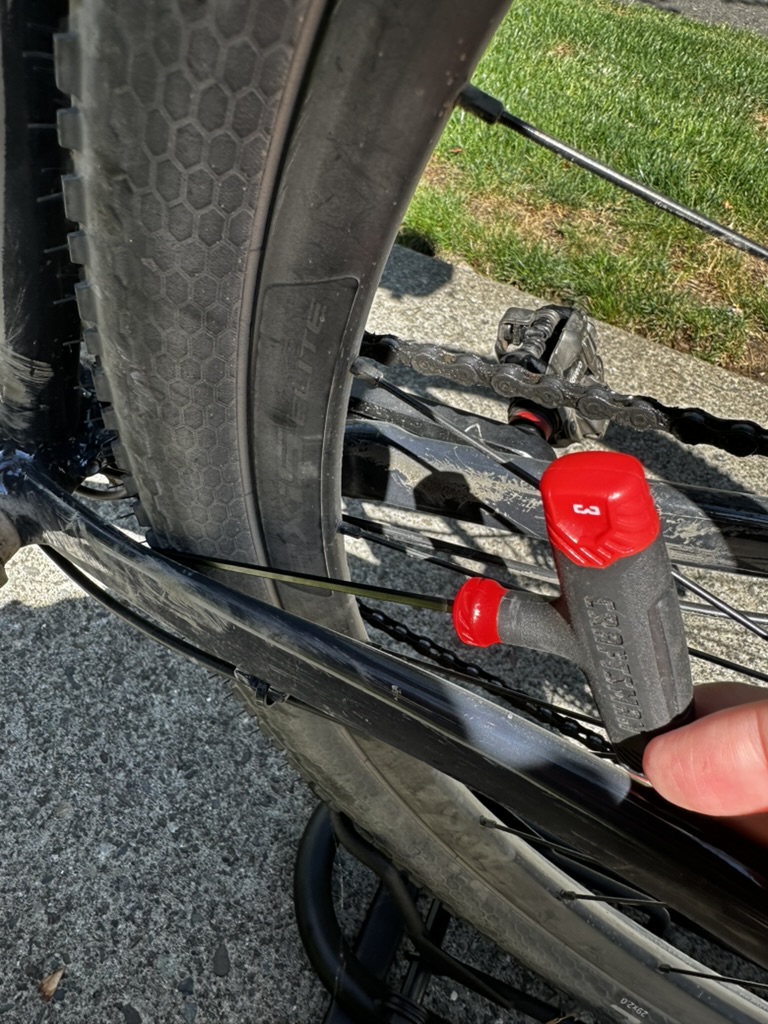
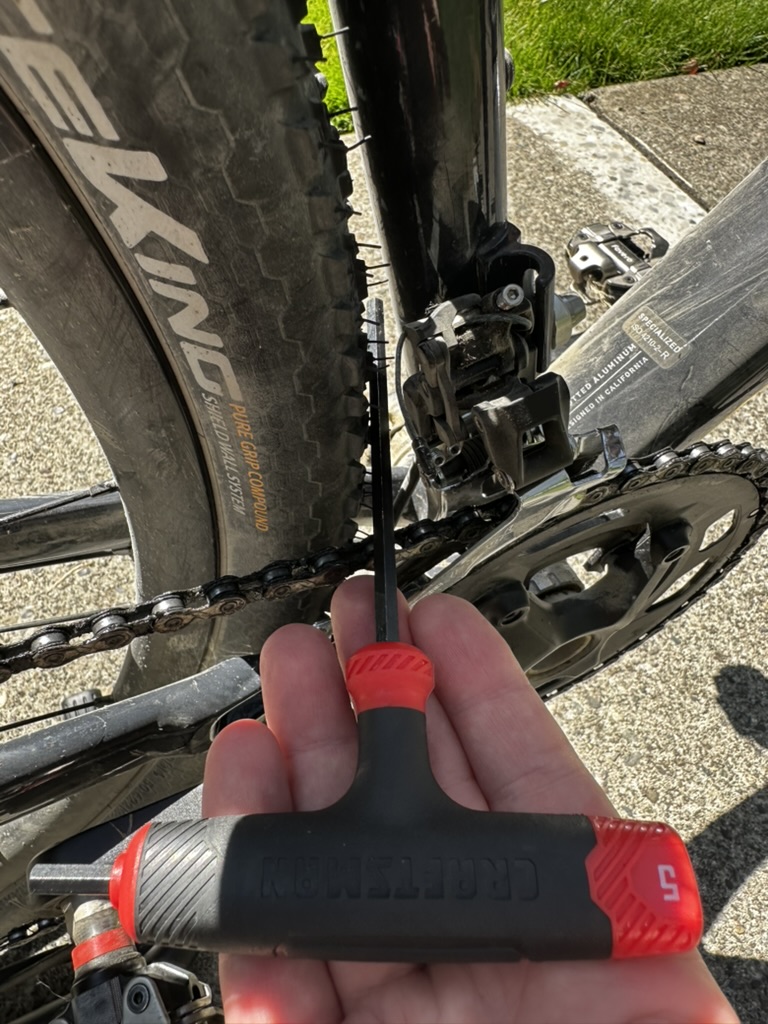
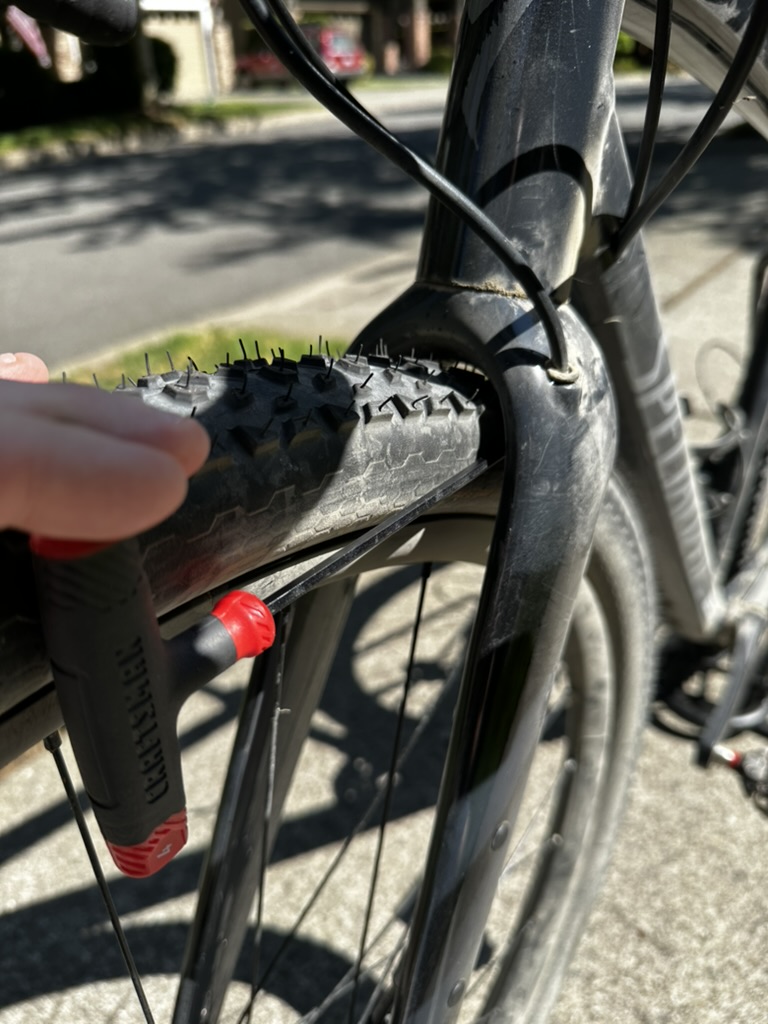
The Specialize Diverge Elite E5 has a recommended max tire size of 47mm, but an absolute maximum tire clearance of 50mm. The Continental Race King 50mm on the standard rim actually measure 50mm with calipers. The typical recommendation is having ~5mm of clearance between the tire and the frame to allow for rim flex, tire deformation and space to help clear rocks and mud. The Continental Race King in 50mm redues that gap to ~2mm in places.

Power pedals

A couple years ago I added a set of Favero Assioma power pedals to my road bike, which have been a game changer for training. I also find being able to use the combination of heart rate, perceived effort and power, you can understand how your body is performing on a given day and adjust effort accordingly.

In the case of gravel bike, I’ve added a set of Favero Assioma Pro MX-2 dual sided pedals. While my road bike uses a directional Shimano SPD-SL cleat, the gravel pedal use a non-directional Shimano SPD cleat which allows you to clip into the top or bottom of each pedal. Not necessarily adding to the bike, but it did also require an additional pair of shoes with SPD cleats.

Pending

  • Bike computer mount
    I have a plastic bike computer mount for my Garmin 1050, but it is clips on beside the handlebar clamp and bends around to put the computer in the middle. Simply for aesthetics, I’d like to find a mount that can fit into the handlebar clamp itself so it is completely centered.
  • Chain waxing
    Currently I use Silca chain oil on all my bikes which works great. I’m shocked by just how much dirt and dust is attracted to the chain, so will likely look into getting a chain waxing kit in the future.

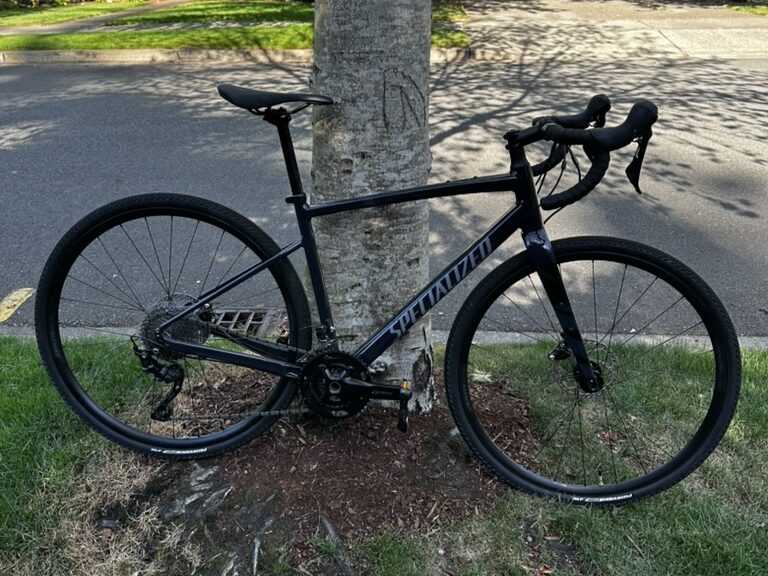
Specialized Diverge Elite E5 Gravel Bike

A couple years ago, Hugo received a Specialized Diverge Elite E5 gravel bike for his birthday.

If you’re wondering what a gravel bike is, they are essentially a drop handlebar road bike with large tire clearance and a slightly more relaxed geometry for comfort. I went down this option because they are in essence ‘all road’, can be ridden on the road or gnarly gravel which opens up more ride experiences and have larger gearing options to make climbing easier.

The Diverge comes in many versions, but I felt the Elite E5 was a balance point of solid features vs price for a really capable, entry level gravel bike. It has an aluminium frame, carbon fork, standard through axels to attach the wheels, flat mount disc brakes and is the first version with Shimano GRX.

There is a lot of words in that previous paragraph that might not make sense to the uninitiated:

  • Aluminium Frame – Bike frames are generally made of steel, aluminium, titanium or carbon fibre and increase in price in that order. An aluminium frame is substantially lighter than steel, not that much heavier than titanium/carbon fibre but considerably cheaper.
  • Carbon Fork – Typically the frame and fork are made of the same material, but having a carbon fibre fork is a nice upgrade for comfort as it absorb a lot of vibration/road buzz.
  • Through Axels – it uses standard sizes 100x12mm and 142x12mm that all mainstream high quality bikes use. This would enable the wheels to be swapped easily, maybe a lighter carbon wheel could be added.
  • Flat-mount Disc Brakes – like the through axels, flat mount disc brakes are a standard. It would mean you could change the brake calipers if needed to a better quality or lighter set and any modern disc brake wheel would fit.
  • Shimano GRX – GRX is Shimano’s gravel groupset & it is where the quality really starts to kick in like 105, Ultegra or Dura-Ace for road bikes. Entry level GRX has 2×10 gearing with 46-30 chainrings paired with 11-36 cassette which is good for climbing. Additionally, the disc brakes are fully hydraulic where as cheaper options might be cable actuated with hydraulic calipers or fully cable actuated.

Gravel has become a huge scene in the last 5-7 years. It appealed to me because you can explore more places, opens up additional event opportunities and while I don’t mind riding on the road with cars – gravel has none which is novel.

I asked Hugo if I could borrow his bike and he said yes, gravel here we come!

SEO Basics

Like most websites and certainly most blogs, this website is powered by the open source WordPress CMS. WordPress comes out of the box with a lot of great functionality and has a plugin infrastructure to allow the core functionality to be conveniently extended.

While WordPress default settings are generally okay to get a site to show up in Google, most websites use a 3rd party plugin to help optimize the configuration. These optimizations could include configuring meta data on each web page, generating specially formatted files to tell Google what URLs exist on a site, restricting certain URLs from being crawled or which can be indexed and a raft of other features.

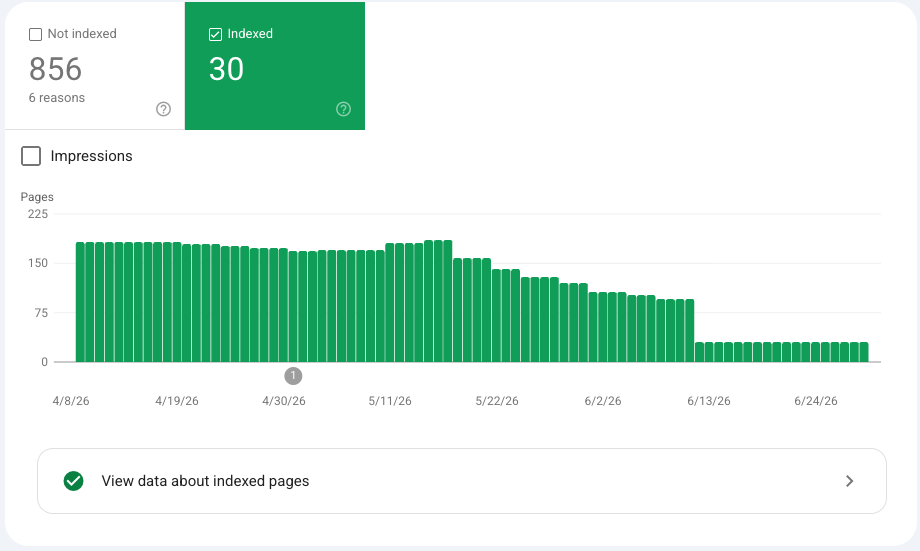
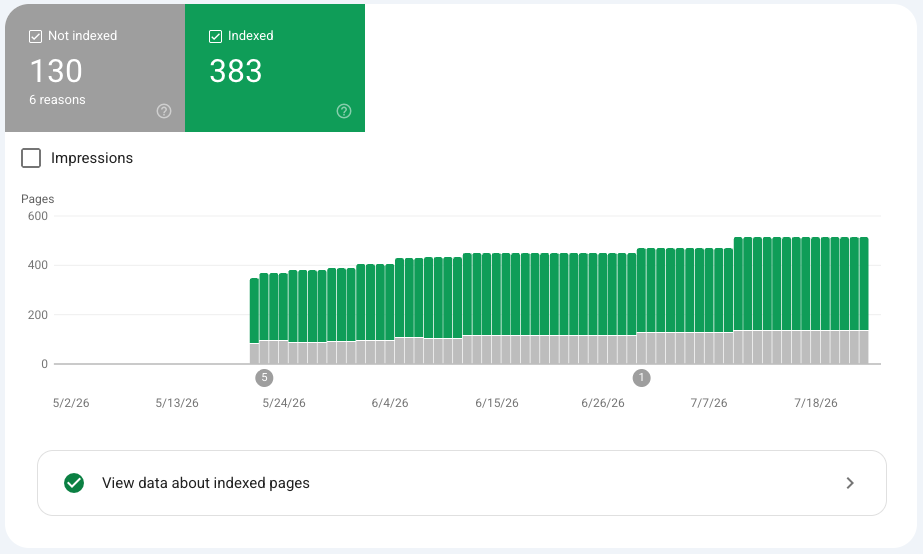
The image below is from Google Search Console for HTTP www.lattimore.id.au and shows how many URLs Google is aware of and how many are actually indexed/discoverable within search. WordPress is generating about 900 URLs in total and in the first half of the chart approximately 150 are indexed. The decline midway through is caused by switching from HTTP to HTTPS recently.

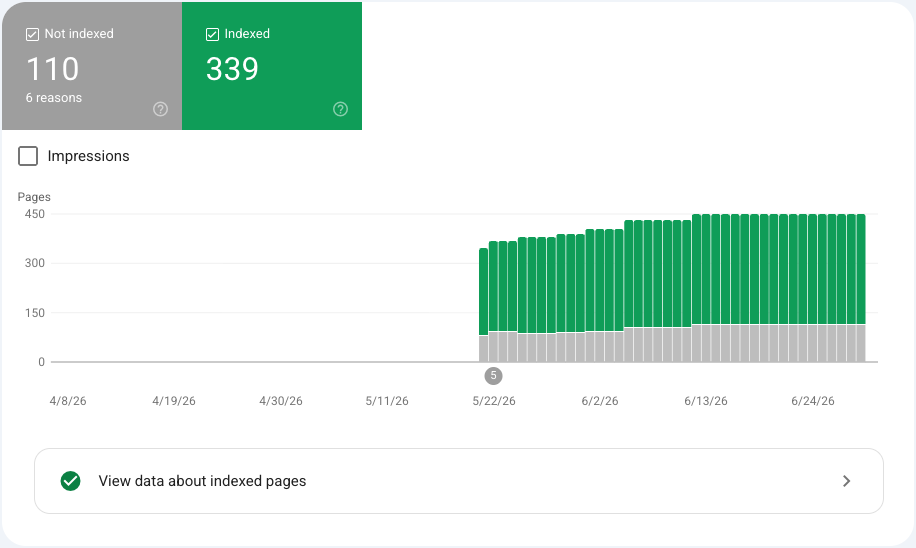
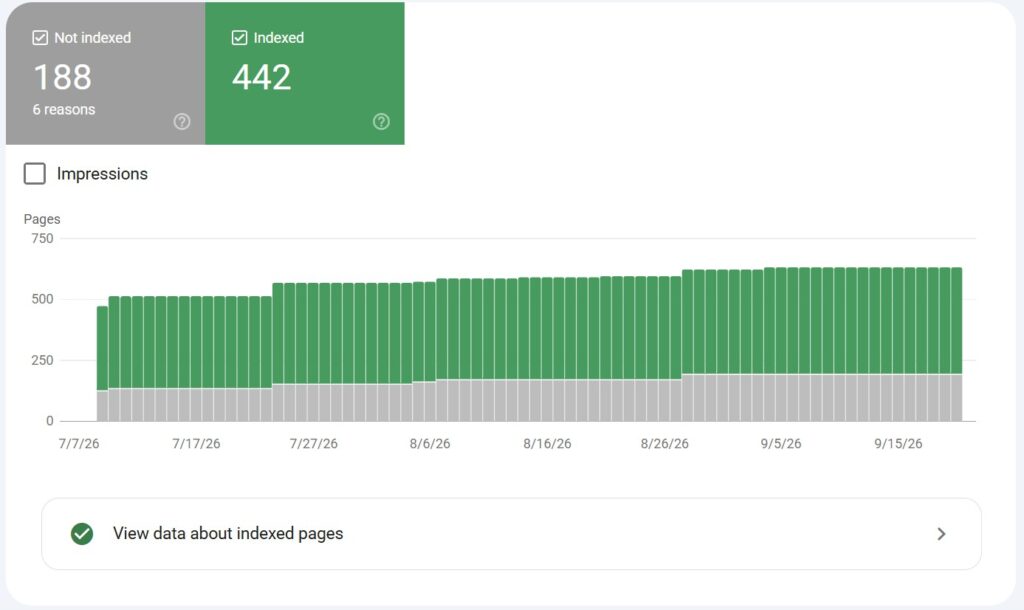
The next image is for HTTPS www.lattimore.id.au (after switching to HTTPS) and importantly after reviewing the configuration within the All In One SEO plugin.

The following changes have been made to help Google crawl/index the site more efficiently:

  • Applied noindex to date based archives (/<year>/<month>/<day>/)
  • Applied noindex to tag based archives (/tag/<tag-name>/)
  • Applied noindex to author based archives (/author/<author-name/)
  • Applied noindex to search based URLs (/?s=<query>)
  • Removed noindex from paginated category based archives (/category/<cat-name>/)

The broad based noindex changes above have cut the number of generated URLs in half, most of which were thin, low quality or broadly duplicative of other URLs in the site.

The second major change was indexing the paginated category archives, such as /category/search/2/. Before the change the top level category URLs, such as /category/search/ were indexed but pages two and onwards were noindex.

Interestingly, Google had a crawl path to the posts via the Archives link in the main menu and also each of the date based archives that were noindexed. I’m now curious if the 300+ URLs which are currently indexed remain that way in the mid/long term or if it is just short lived fame due to them being ‘new’ URLs from switching to HTTPS and it had nothing to do with deindexing the various archive type URLs above.

Only time will tell ;-)

Endless Ride Mountain Bike Race

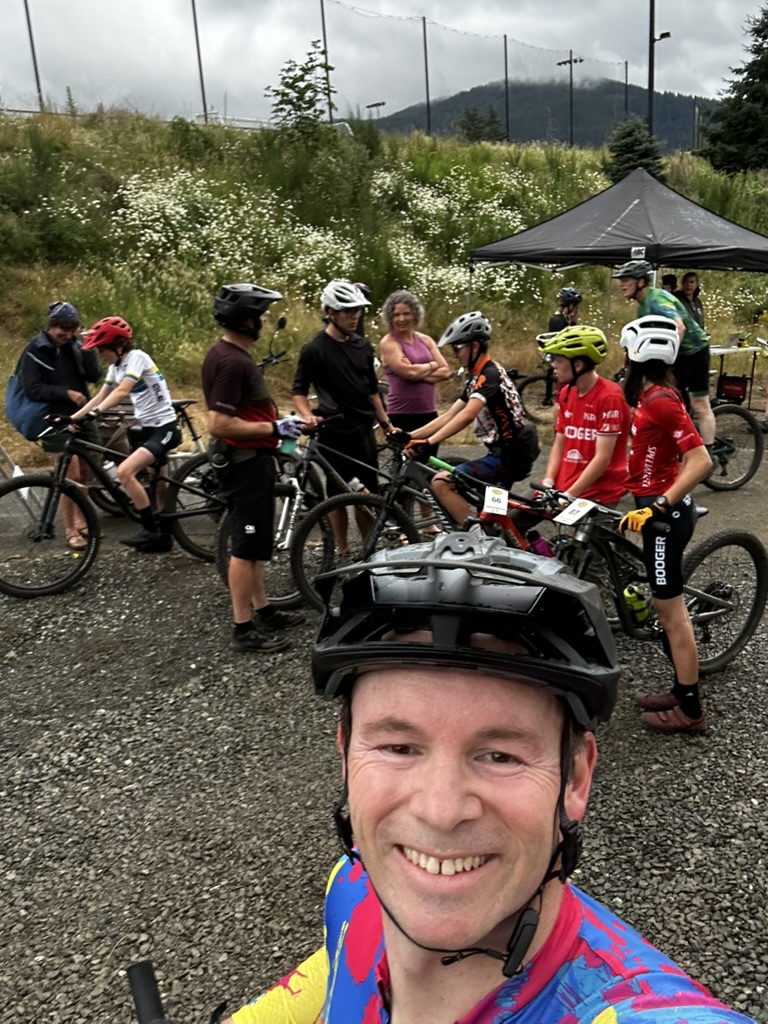
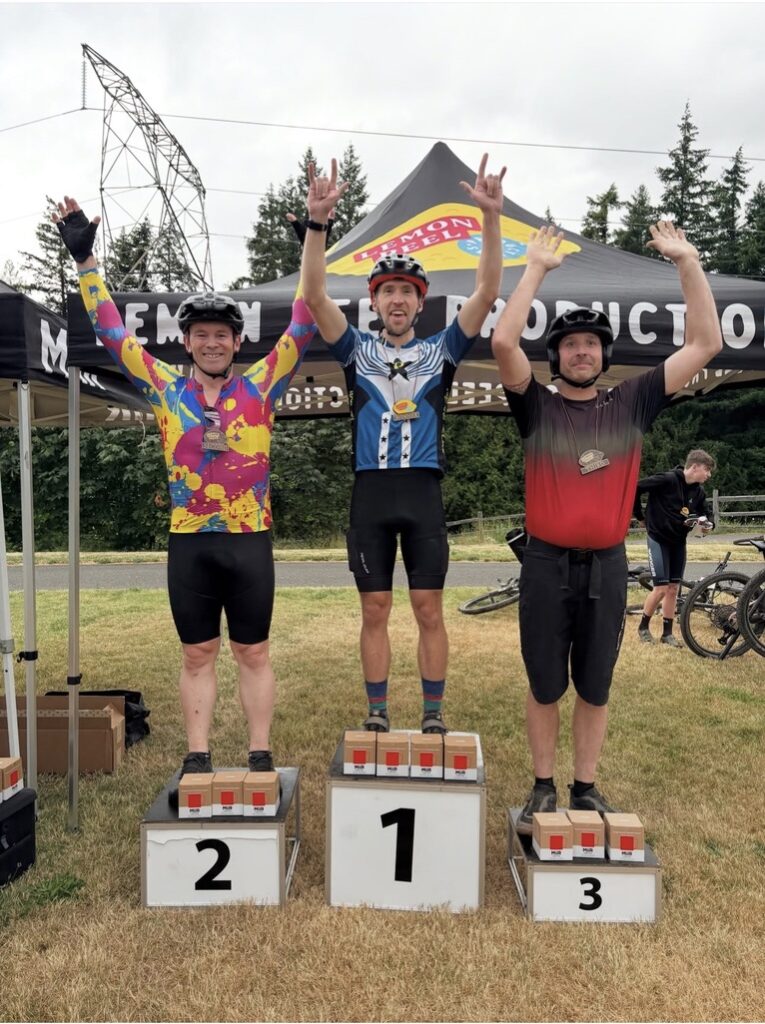
I recently competed in my first cross country (XC) mountain bike race & it was a blast!

The event was named The Endless Ride, named after the seemingly endless days associated to the summer solstice. The event started at 7pm, which seems crazy, however in Seattle at this time of year the sun doesn’t set until after 9:00pm.

Lemon Peel, who are the event organisers have a highly inclusive approach to their events. They support classes for different ages alongside supporting mountain bikes, gravel bikes and runners! I guessed and entered myself into Cat 2 Open as I was certain the Cat 1 Open was going to be outrageously fast.

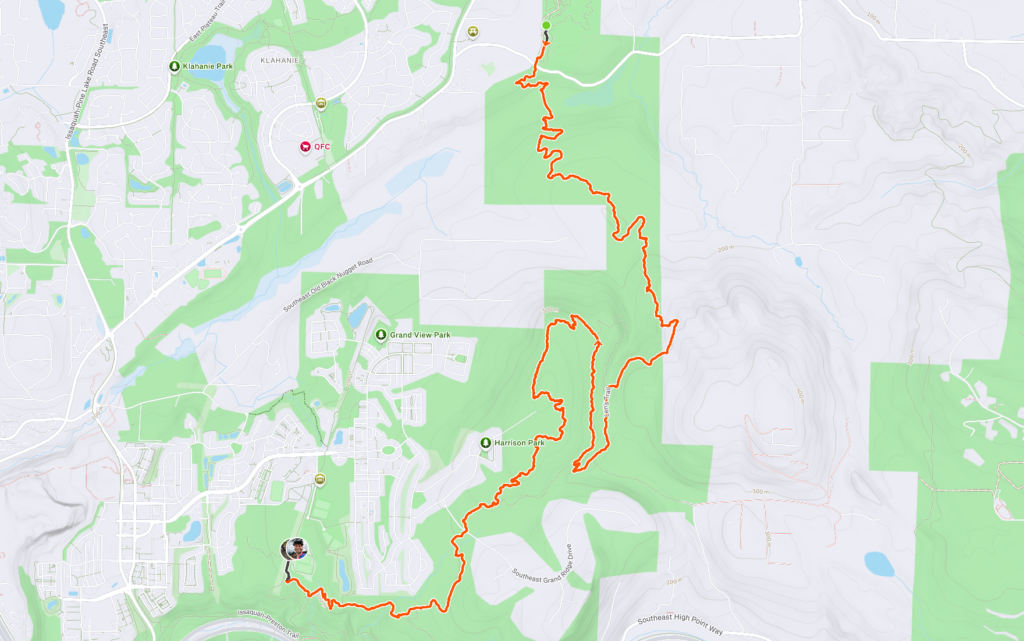
The course used the Grand Ridge trail system, which connects Sammamish to Issaquah. Total distance was 12.5km, with 350m of climbing. While it mightn’t sound too tough, when you combine sections with 15-20% gradients, roots, rocks & ruts – even with the massive gearing on a mountain bike it is definitely challenging!

My race plan was simple, go out really hard in the first 3km to try and get a gap on the pack as that section only had 50m of elevation. Between 3km and 8km, I knew I was going to lose time as there were competitors who were 15-25kg lighter than me. The weight difference doesn’t hurt you on the flat or downhill, but is a huge penalty on gradients over 4%.

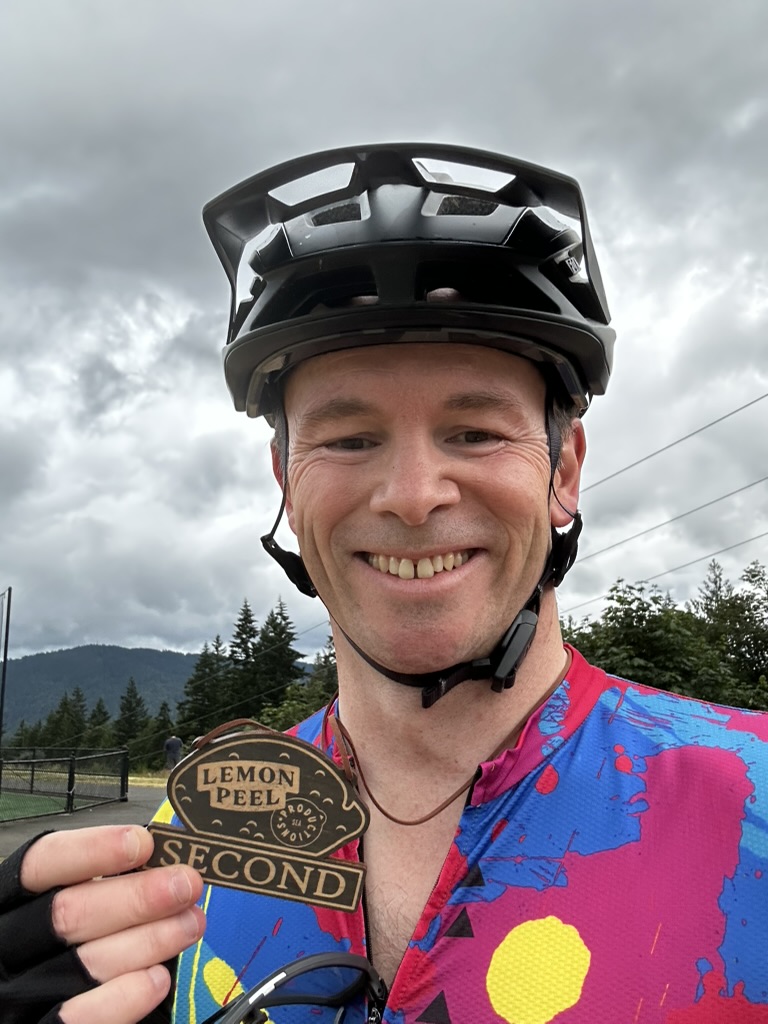
Overall this worked out pretty well, by the time I got to 3km mark – I couldn’t hear or see my competitors behind me. As expected, some of the other racers got past me by the 6-7km marker. Fortunately, I was past the steepest sections by that point and the downhill started at 8km mark. I crossed the finish line in 53 minutes and was shocked to hear my name called for 2nd place at the ceremony.

From an effort stand point, it was definitely an all out – Garmin said it was “highly impacting V02 max”. That doesn’t surprise me whatsoever, my max HR is 183bpm (which I hit) and I averaged 170bpm even after accounting for the downhill where it ‘recovered’ to 160bpm.

It was a heap of fun being on a course with other people racing!

Moving To HTTPS

HTTPS is the secure version of HTTP, it makes sure that information sent between your browser to the website you’re viewing is encrypted and can’t be decrypted by any machine or person in between.

Traditionally HTTPS was only used on important sites such as banks or checkout pages in ecommerce websites where your privacy was considered paramount. HTTPS wasn’t broadly used in the early days of the internet as SSL certificates were only available to purchase from a relatively small number of companies, they were expensive and it came with a performance penalty due to the additional work needed for establishing the secure connection and the ongoing encrypt/decrypt process.

In 2010, low single digit percentages of internet traffic were encrypted. By 2015, encrypted traffic was at about 25%. In the following 10 years, the barriers that were holding back adoption have been removed. Thanks to Lets Encrypt, you can get free SSL certificates. Web hosts integrate with Lets Encrypt, automatically issue/re-issue and install the SSL certificates. The original performance penalty has been removed. With HTTP/2 (the second version of the HTTP protocol) which requires HTTPS, websites load dramatically faster. Couple that with a big push from companies like Google, suggesting it is a ranking factor with their algorithm and by 2025 over 90% of all internet traffic is encrypted.

I’m late to the party, but I’m doing my part in switching to HTTPS :P